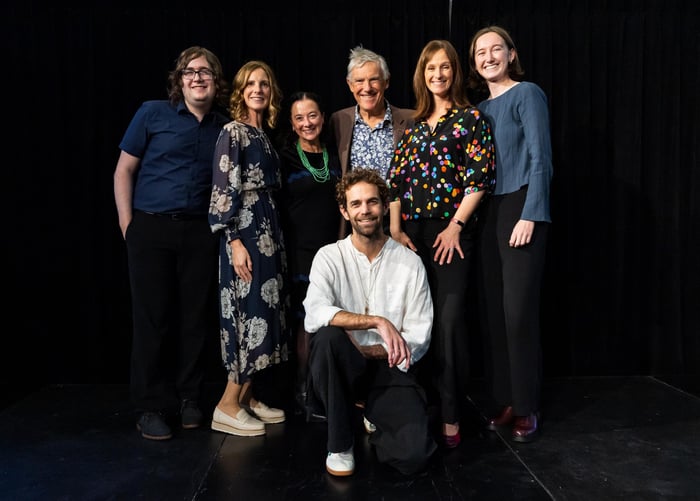
Last week, we caught up with Tim Adriaansen - transport strategist and, as of this year, the new Executive Director of All Aboard Transport Decarbonisation Trust.
If you've read our earlier piece on All Aboard, you know the shape of their work is based around a coalition-powered, evidence-led push to shift how folks in Aotearoa think about getting around. This was a chance to hear what's changed since The Climatics funding in December, what's coming, and to understand something Tim said that neither of us had quite heard framed that way before.
What's changed
Marie, All Aboard's previous Executive Director, returned to France at the end of last year. When Paul and Nicholas asked Tim to step up, he said yes on the condition that the All Aboard kaupapa went national to reach all of Aotearoa.
There was one other important need - funding to make it all happen. As it turned out, that's right around the time The Climatics came knocking.
That nationwide ambition is now driving everything All Aboard is working on.
Tim has spent the past few months building an evidence base for decarbonising transport across New Zealand. This matters because there is currently no national strategy or plan for transport decarbonisation.
His process has been rigorous. He models the possibilities, workshops the model with transport experts from across the country, sense-checks, and revises. The goal is a technical report - creating an honest picture of what NZ could actually achieve if we implemented everything we know works.
Only avid transport and climate nerds will read that report. Tim knows this. Which is why he's already got a plan to build the version for the rest of us too.
The "yes, and" on Electric Cars
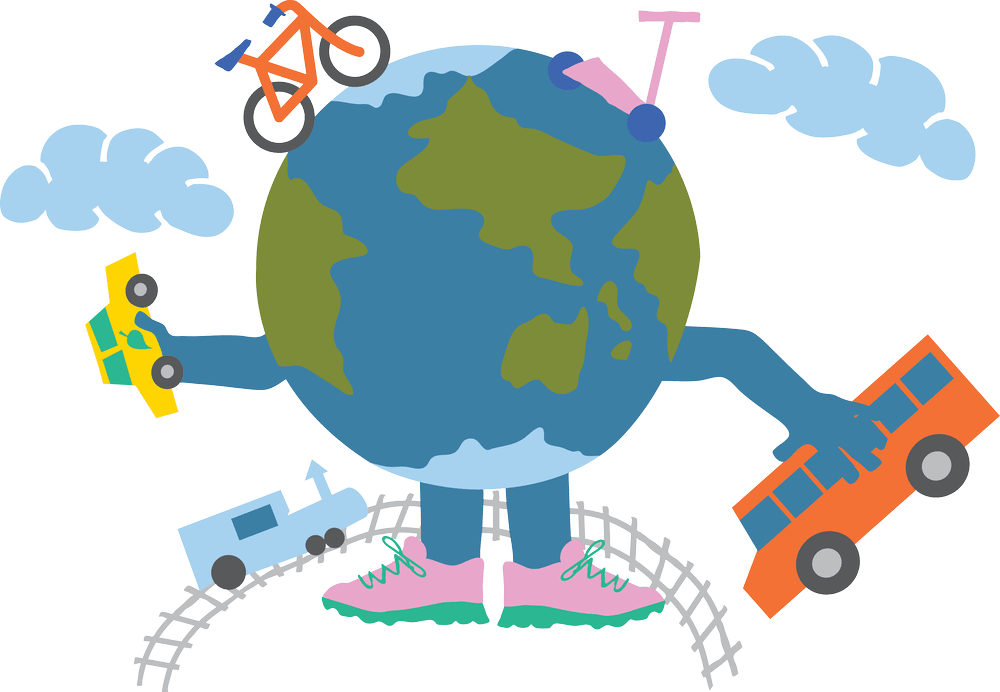
MJ went into this call with a fairly settled view: electric vehicles aren't perfect, but they're better than petrol cars. More electric car uptake is a good thing. It's one of those "yes, and" situations - electric cars, bikes, and buses. Right?
Tim's answer was more specific than that, and it shifted something.
Tim is not anti-electric car, his point is that they are already extremely well-resourced in terms of public attention, policy advocacy, and funding. The part of the transport transition that isn't well-resourced and needs urgent backing is the piece that actually gets people out of their cars.
This is because of what transport decarbonisation actually requires. New Zealand imports 200,000 to 250,000 vehicles a year. Even on an optimistic electric car trajectory, fully electrifying our fleet takes decades. And they don’t solve the other problems that come with car-dependancy, such as congestion, road safety for people walking or cycling, the health and equity costs of a system that only really works if you own a car.
There's also a subtler dynamic. When you give people a cheaper vehicle to run, they tend to drive more. The evidence supports this. So if the bulk of advocacy energy goes toward getting people into electric cars without also shifting the culture around driving, we may be solving one problem while making another one harder - a trade off we don’t have to make.
What rapid decarbonisation actually requires is reducing the total amount we drive. Right now, the funding and advocacy that goes toward that goal is a fraction of what goes toward electric cars.
So it’s a yes to electric cars. AND we urgently need to fund and normalise getting around by other means. That's the "yes, and." It's about rebalancing where our attention goes, rather than taking anything off the table.
Resilience, not just emissions
There's another dimension to this. New Zealand imports almost all of its petrol and diesel. Every time global oil markets convulse - and as timing would have it, that’s right now - every driver in Aotearoa feels it. A transport system less dependent on imported fuel is more resilient, more equitable, and less exposed to decisions made in capitals very far from here. The obvious bonus being that it’s better for the climate too!
The cultural piece
Tim used a phrase that's been rattling around in our heads since the call, ‘motor normativity’. The idea that driving is the default, the obvious choice, and that cycling or taking the bus is something you do when you can't afford a car or when you're feeling unusually virtuous.
The deeper problem is that people's opinions on transport are shaped by their behaviours, not the other way around. If you've spent years moving through a car-dependent suburb, driving feels like common sense because your daily environment has made it feel inevitable, rather than because you spent time thinking carefully about it and reached a considered conclusion.
This is why you can't simply publish evidence and ta-da - behaviours suddenly change. You have to change the options first. When the options do get changed, such as by building safe cycling infrastructure, reducing traffic in residential streets and making public transport comfortable and convenient, that’s when people’s behaviour shifts.
What's coming
The evidence base Tim and the team have been building will anchor a project called Better Moves - a public-facing vision for transport in Aotearoa. Turning the technical report for experts to read into an accessible website with clear language and visuals. The type of site that makes a transformed transport system legible and exciting for everyone.
When the technical report is complete, there are plans are for a public launch and a roadshow to community groups around the country to follow. We'll be sharing more when it lands.

What your funding is doing
The Climatics grant is covering Tim's time as a stipend for this technical work, and the cost of a grant writer to secure the additional funding needed to build Better Moves out fully. It's lever funding - a relatively small investment at a moment when All Aboard is positioned to scale.
One of the things Tim named as a structural barrier for organisations like All Aboard is that most philanthropic funding in New Zealand goes toward short-term, measurable, local projects. The broader national work, such as evidence-gathering, coalition-building, and the long work of changing what feels possible, is much harder to find funding for. That gap is part of what The Climatics exists to help close.
Right now, Tim and the All Aboard team are working on building the evidence base for what Aotearoa’s transport system can be, and having conversations with community groups across the country and around the world to understand how the transport decarbonisation journey can play out. Over time, this kind of work will change what our transport system can be, and create a healthier, better connected Aotearoa.
At The Climatics, we see this as work that’s worth amplifying. And thanks to your generosity, it's happening. Stay tuned for more news as the work progresses.