Coal is the dirtiest fossil fuel on the planet - and one of the hardest to let go of. For every tonne burned, at least two tonnes of greenhouse gases go into the atmosphere. And that’s before you count what mining does to the land and the water. Globally, it's the single biggest contributor to climate change. In Aotearoa, it's a smaller part of our energy mix, but a disproportionately large part of our emissions story: coal makes up just 2% of our energy production but 8% of the energy sector's greenhouse gas emissions. We're also exporting it: shipping coking coal to steel mills in India and Japan, keeping demand alive well beyond our own borders. Despite growing global consensus that new coal mines need to stop, two new mining projects are currently listed in the Fast-Track Approvals Act, with another project threatening to apply for fast-tracking.
Coal Action Network Aotearoa/Te Kāhui Kāti Waro o Aotearoa is a grassroots, entirely volunteer-run incorporated society with a simple, clear goal: end coal mining and use in Aotearoa. They work through community organising, legal action, media, and direct political lobbying, often in coalition with organisations like Forest and Bird, 350 Aotearoa, and Greenpeace. Their leadership spans the country and includes a number of members based in coal-mining regions.
What they're working on
Coal Action Network Aotearoa/Te Kāhui Kāti Waro o Aotearoa has three active campaigns. The first is opposing Bathurst Resources - an Australian company that wants to mine millions of tonnes of coal from the Denniston Plateau, one of the most biodiverse ecosystems on the West Coast, and fast-track a major coal mine extension in Waikato. The second is pushing Fonterra, other dairy companies, and other industries that burn coal to provide heat to ditch coal-fired boilers in favour of renewable heat sources (Fonterra is New Zealand's third-biggest coal user). The third (the one our grant is supporting) is a highly strategic piece of research that can bring rigour and evidence to a politically charged conversation about jobs.
Part of why coal has been hard to phase out is a persistent narrative that coal mining creates jobs, and taking it away means pulling the rug out from under working communities. It's a compelling story, even if the evidence doesn’t stack up.
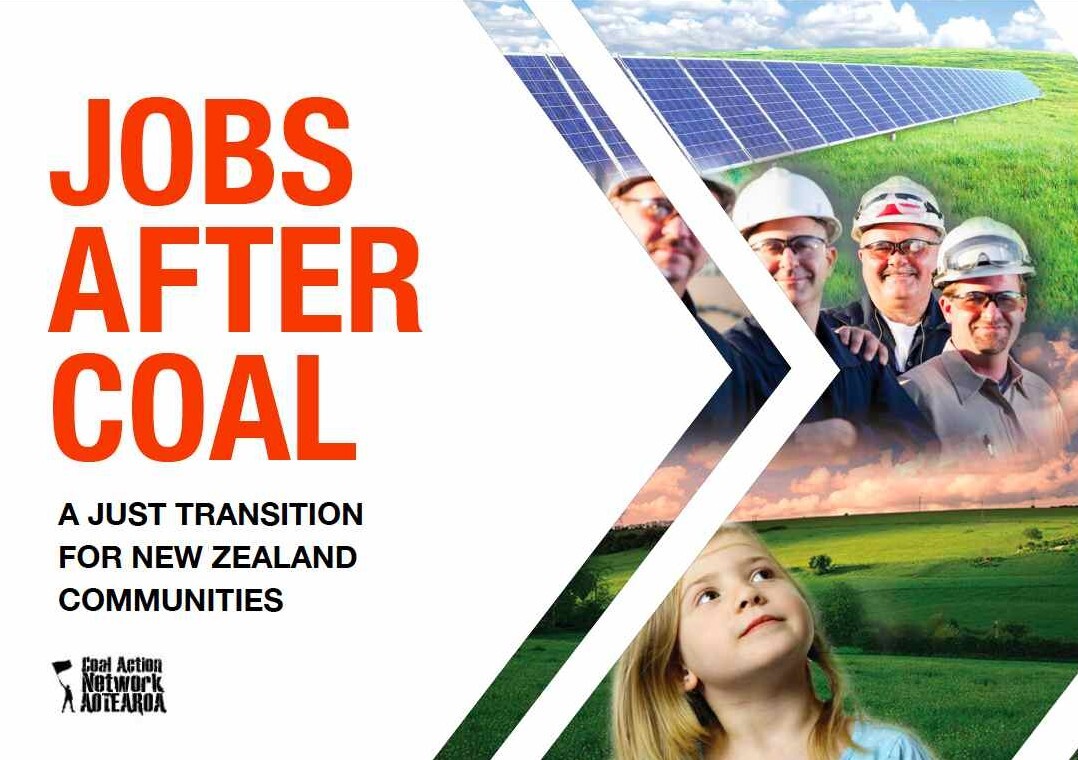
Coal Action Network Aotearoa has been digging into this story for over a decade. Back in 2015, they published Jobs After Coal: A Just Transition for New Zealand Communities. It was a detailed, rigorously researched report that built the evidence for what a transition away from coal could look like for workers and the communities that depend on mining. The report had real political impact at a time when the conversation was stuck.
Now, with a new political environment and the urgency of two coal mining expansions listed in the Fast-Track Approvals Act, they're updating it.
Why this report, why now
This is about more than coal.
Coal workers and mining communities are being asked to carry costs that the rest of us don't. Without a credible, evidence-based case for how coal jobs can be replaced and, crucially, what government policy is needed to make that happen, they have understandably been resistant to climate activists advocating for things that impact their lives in ways that feel forgotten or overlooked.
Approaching this with empathy and evidence is one of the only ways to shift the political conversation. Coal Action Network Aotearoa intends to put this research directly in front of decision-makers, into the hands of partner organisations, and into the media at a moment when job creation is politically front of mind.
Why we funded Coal Action Network Aotearoa
These are people who have been doing this work for close to two decades, well before the transition from coal was a mainstream conversation. They know how to work a coalition, they have mana in the organising space, and they have a mailing list of 2,500 highly engaged people who act when called on.
They're persistent. And in systems change, persistence matters.
The Climatics exists to get more funding to the kind of work that doesn't always get seen. Coal's least favourite volunteer organisation is exactly that. We couldn't be more pleased.
Coal Action Network Aotearoa is one of four organisations funded through The Climatics' 2026 funding round. Their work aligns with two of our focus areas: "Transform the Politics" and "Build the Movement." Learn more at https://coalaction.org.nz/